Kidney Transplant Surgery
For people with kidney failure, a transplant offers a longer, better life than dialysis. Dr. Abhik Debnath performs kidney transplant surgery and laparoscopic (keyhole) donor nephrectomy, working with the nephrology and transplant team from evaluation to long-term follow-up.
Medically reviewed by Dr. Abhik Debnath, M.Ch Urology (CMC Vellore), DNB, MRCS·Last reviewed
Who it helps
Procedures Dr. Abhik Debnath performs
- Renal (kidney) transplantationThe donor kidney is placed in the lower abdomen and joined to the blood vessels and bladder.
- Laparoscopic donor nephrectomyThe donor’s kidney is removed through small keyhole cuts, meaning less pain and a quicker return to normal life for the donor.
- Laparoscopic kidney transplantA special interest of Dr. Debnath, in selected recipients.
- AV fistula creationAccess surgery (RCF/BCF/BVT) for patients who need haemodialysis.
What to expect
- Recipient and donor evaluation with the nephrology team
- Legal and ethics committee approvals for the living donor
- Transplant surgery; donor usually home in 3–5 days
- Close follow-up of kidney function and anti-rejection medicines
Related conditions & tests
Questions patients ask
Who can donate a kidney?
A healthy adult relative with a compatible blood group usually can, after detailed medical tests and legal approvals as per the Transplantation of Human Organs Act.
How long does the donor take to recover?
With keyhole (laparoscopic) donor surgery, most donors go home within a few days and return to desk work in 2–4 weeks.
How long does a transplanted kidney last?
A living-donor kidney often works for 15–20 years or more when anti-rejection medicines are taken regularly and follow-up is maintained.
Discuss kidney transplant with Dr. Debnath
Live slots at HITEC City and Madinaguda · No advance payment
Other treatments
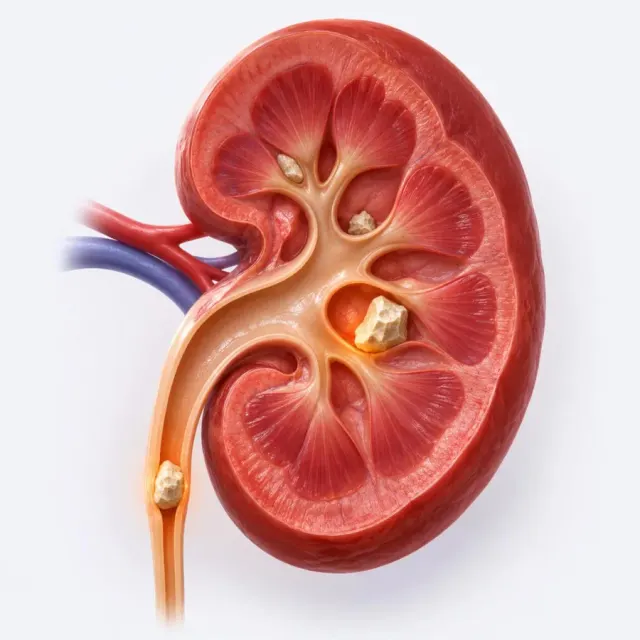
Kidney Stone Treatment
Most kidney and ureter stones can be removed without a cut.
Learn more →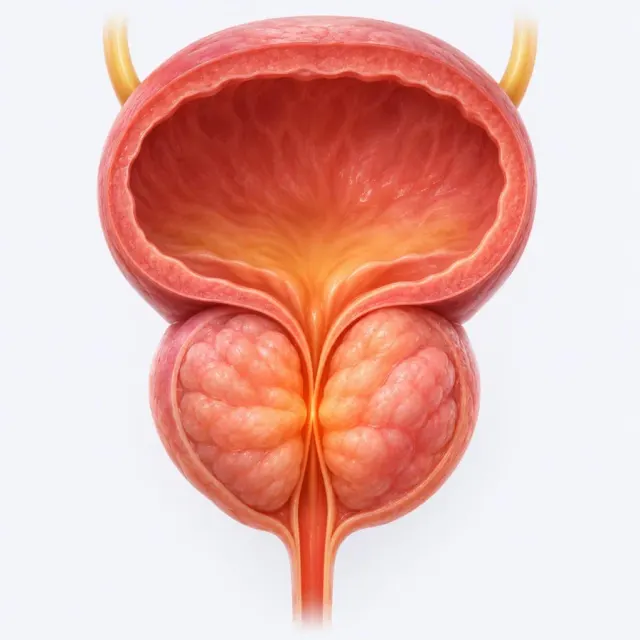
Enlarged Prostate (BPH) Treatment
An enlarged prostate is the most common cause of a weak urine stream and getting up at night in men over 50.
Learn more →
Urologic Cancer (Uro-oncology) Surgery
Cancers of the prostate, kidney, bladder and testis are highly treatable when found early.
Learn more →