Kidney Stone Treatment
Most kidney and ureter stones can be removed without a cut. Dr. Abhik Debnath uses flexible ureteroscopy with laser (RIRS), ureteroscopic lithotripsy and keyhole PCNL to clear stones of every size and location, usually with a hospital stay of a day or two.
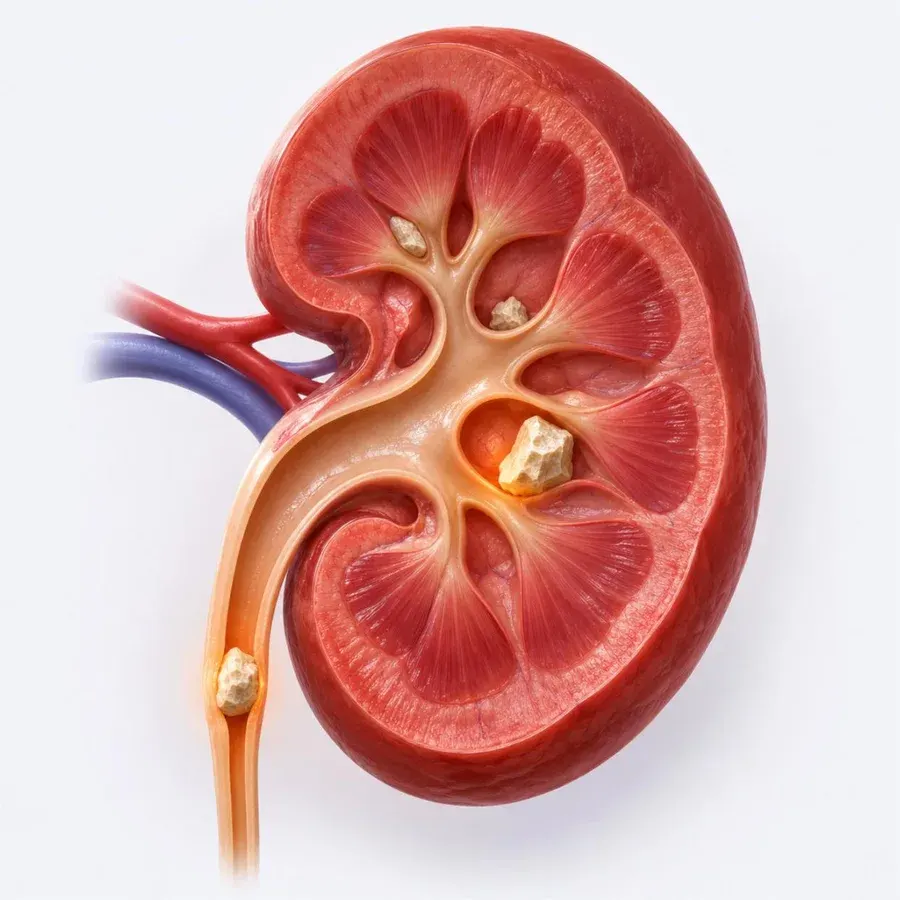
Medically reviewed by Dr. Abhik Debnath, M.Ch Urology (CMC Vellore), DNB, MRCS·Last reviewed
Who it helps
Procedures Dr. Abhik Debnath performs
- Retrograde intrarenal surgery (RIRS)A thin flexible scope is passed through the natural urinary passage into the kidney and a laser breaks the stone into dust. No cuts.
- Ureteroscopic lithotripsy (URSL)For stones stuck in the ureter (the tube from kidney to bladder) — the stone is broken with a laser and removed through a fine scope.
- Percutaneous nephrolithotomy (PCNL / mini-PCNL)For large or hard kidney stones — removed through a keyhole in the back, often clearing the kidney in a single sitting.
- Endoscopic combined intrarenal surgery (ECIRS)RIRS and PCNL performed together for complex or staghorn stones.
- Cystolitholapaxy & PCCLBladder stones crushed and removed through a scope or a small keyhole.
- DJ stentingA temporary soft tube that keeps urine draining from the kidney, used to relieve blockage or after stone surgery.
What to expect
- Consultation and ultrasound or CT KUB to find the stone’s size and position
- Plan: medicines to pass small stones, or laser/keyhole surgery for larger ones
- Day-care or 1–2 day stay for most procedures
- Stone analysis and a diet plan to prevent new stones
Related conditions & tests
 Kidney StonesUrolithiasis · Renal calculi
 Urinary Tract InfectionUTI · Cystitis
 Ultrasound KUBImaging
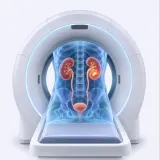 CT KUB (plain)Imaging
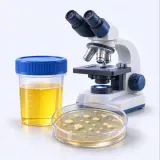 Urine routine & cultureLab test
Questions patients ask
Can kidney stones be removed without surgery?
Small stones (usually under 5–6 mm) often pass on their own with fluids and medicines. Larger stones, stones causing infection or blockage, and stones that do not pass in a few weeks need laser or keyhole treatment.
Is laser stone surgery painful?
The procedure is done under anaesthesia. Most patients have mild discomfort afterwards and return to normal activity within a few days.
How do I prevent stones coming back?
Drinking 2.5–3 litres of water a day, limiting salt and animal protein, and treating any metabolic cause found on stone analysis greatly reduce the chance of new stones.
Discuss kidney stones with Dr. Debnath
Live slots at HITEC City and Madinaguda · No advance payment
Other treatments
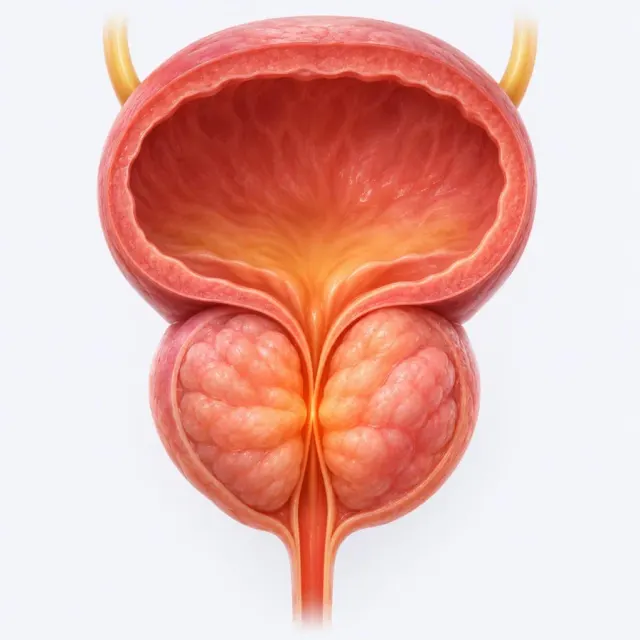
Enlarged Prostate (BPH) Treatment
An enlarged prostate is the most common cause of a weak urine stream and getting up at night in men over 50.
Learn more →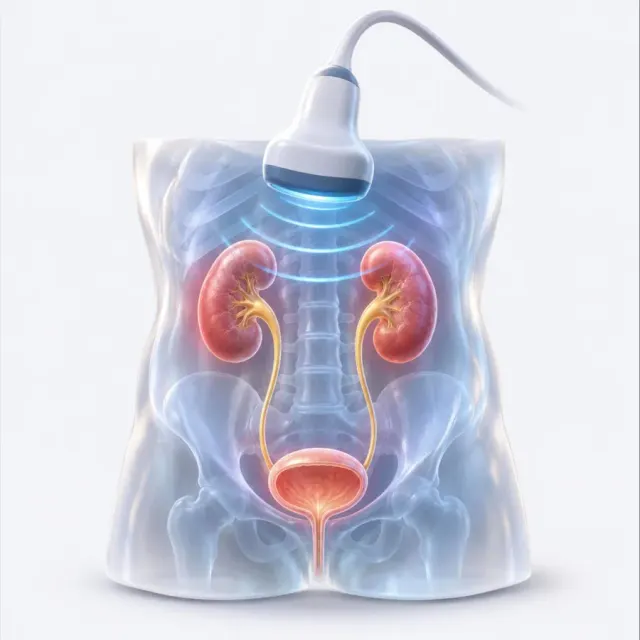
Kidney Transplant Surgery
For people with kidney failure, a transplant offers a longer, better life than dialysis.
Learn more →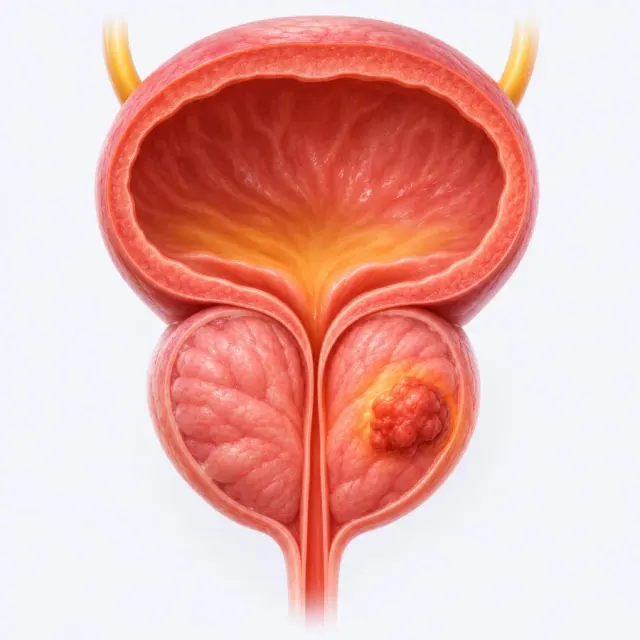
Urologic Cancer (Uro-oncology) Surgery
Cancers of the prostate, kidney, bladder and testis are highly treatable when found early.
Learn more →